A 2026 guide comparing five destinations where travelers can find strong value from affordable eSIM plans, with device tips, seasonal context and booking resources.
Quick Answer
In 2026, select destinations across Asia, Europe, the Americas and Africa still offer the best value for travelers seeking affordable eSIM plans. This guide compares five practical choices based on common visitor needs: regional data availability, device compatibility, seasonal travel considerations and how to buy or top up. For device compatibility check our guide and supported device list.
Learn how eSIM works if you need a refresher and compare country options via our full supported list.
How eSIM works (beginners guide) · Phone eSIM compatible device list 2026 · Compatible devices
How we compared destinations
We focused on practical traveler needs rather than absolute metrics. Comparison factors include:
- Availability of visitor-friendly eSIM plans from local and global providers
- Typical plan structure and flexibility (short-stay vs long-stay options)
- Network diversity and where local network differences matter
- Seasonal travel patterns that affect connectivity needs
- Device compatibility and ease of activation
We avoided claiming fixed prices, guaranteed speeds, or legal advice; always verify current conditions before you travel.
Quick comparison table
| Destination | Value factors | Best seasons / notes | Device & activation notes |
|---|---|---|---|
| Thailand | Strong tourist eSIM market, many short-stay plans and regional bundles | High season: Nov–Feb (peak tourism); wet season may affect remote areas | Most modern unlocked phones supported; check regional APN settings when prompted |
| Portugal | Good EU/regional eSIM options for intra-Europe travel and competitive tourist packages | Spring and autumn offer milder weather and lower demand | European eSIM profiles commonly supported; dual-SIM setups helpful for roaming management |
| Mexico | Frequent visitor plans and strong urban coverage; cross-border travelers can use regional bundles | Dry season (Nov–Apr) is popular; check coastal weather seasonality | Carrier-locking less common for tourists; confirm eSIM activation windows |
| South Africa | Value in regional eSIMs for multi-city itineraries; mobile coverage varies by region | Southern hemisphere seasons: summer (Dec–Feb) busiest in coastal areas | Some rural routes have limited coverage; confirm supported bands for remote travel |
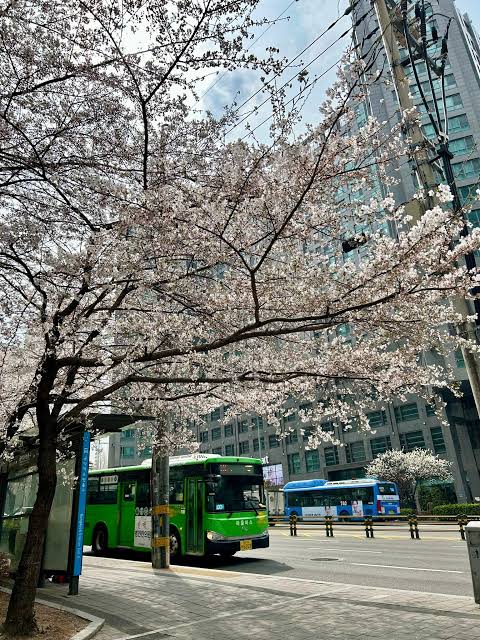
| South Korea | High connectivity in cities with affordable short-term visitor plans; good transit options | Peak travel in spring (cherry blossoms) and autumn; winter cold can affect outdoor plans | Strong eSIM support for newer phones; tourist kiosks often offer activation help |
Destination breakdowns
1. Thailand — flexible tourist plans
Why it’s a good option: Thailand has a mature market for visitor eSIMs with many entry-level and flexible short-stay packages. Urban areas provide consistent coverage; rural and island locations may have more limited service.
Seasonal & travel notes: Peak tourism is typically in the dry season; consider buying in advance for peak dates. Verify local weather if visiting islands during monsoon months.
2. Portugal — value across Europe
Why it’s a good option: Portugal benefits from EU/Europe-wide offers that can be economical when you plan multi-country travel. City-to-city trips are convenient for topping up or switching plans.
Seasonal & travel notes: Spring and fall can offer better value and lower congestion than summer. Confirm roaming terms if you plan to cross into non-EU territories.
3. Mexico — urban value, regional reach
Why it’s a good option: Mexico often has competitive visitor plans for stays focused on major cities and tourist corridors. For regional travel, check which providers support the states you’ll visit.
Seasonal & travel notes: Coastal hurricane season and other weather events can influence travel plans; check entry requirements and advisories before departure.
4. South Africa — regional itineraries
Why it’s a good option: For travelers planning multi-stop itineraries across provinces, regional packages can be a cost-effective eSIM strategy, though coverage is variable outside urban centers.
Seasonal & travel notes: Southern hemisphere seasons differ from Europe/North America; plan for peak summer travel patterns if visiting coastal areas.
5. South Korea — high urban connectivity
Why it’s a good option: Cities offer reliable networks and plentiful short-term visitor eSIM options. Good public transit and tourist services make eSIM activation straightforward in major hubs.
Seasonal & travel notes: Spring and autumn are popular for tourism; winter conditions may affect outdoor plans but not basic connectivity in cities.
Practical tips for buying and using an eSIM
Before you buy
- Confirm that your device is eSIM-capable and unlocked — see our compatible device lists for details.
- Decide between a global plan and a country-specific plan based on itinerary and expected data needs.
- Check provider activation windows and refund/exchange policies before purchase.
Activation and daily use
- Follow activation steps in a stable Wi‑Fi environment when possible.
- Keep your physical SIM (if present) or primary profile as backup; many users use dual-SIM mode to separate local and home lines.
- Monitor usage and top up early if you expect heavy data use during peak travel days.
Device compatibility and common issues
Most recent unlocked smartphones from major brands support eSIM profiles, but manufacturers and carriers differ. If you need help confirming your exact model, see our phone compatibility guide and device resource pages.
Helpful links: Phone eSIM compatible device list 2026 · Compatible devices
Where to buy and where to check local options
You can compare provider availability and country offerings through our global country list. Local kiosks and official carrier stores can also sell visitor eSIMs on arrival, but buying ahead can avoid queues.
Explore all supported countries and plan your eSIM before departure using our comprehensive list at all countries — NexaEsim.
FAQs
Can I use an eSIM for short trips in 2026?
Yes. Many providers offer short-stay eSIM plans designed for visitors. Check plan durations and activation windows to match your trip length.
How do I know if my phone supports eSIM?
Check your phone’s specifications and our compatibility guides. Most recent flagship and midrange unlocked phones include eSIM support; if unsure, consult the manufacturer's documentation or our device list.
Is a local eSIM always cheaper than a global plan?
Not always. Local eSIMs can offer better value for country-specific travel, while global plans might be more convenient for multi-country trips. Compare plan structure, data allowances and activation rules for your itinerary.
Can I switch eSIMs while traveling?
Yes, you can install and switch between eSIM profiles on most devices, but switching may require a Wi‑Fi connection and can depend on device UI. Keep an active profile for emergency contact numbers.
Do I need to show anything at border control to use an eSIM?
Generally no; eSIM activation is separate from immigration. However, always verify entry requirements and visa rules for your destination before travel as these can change.